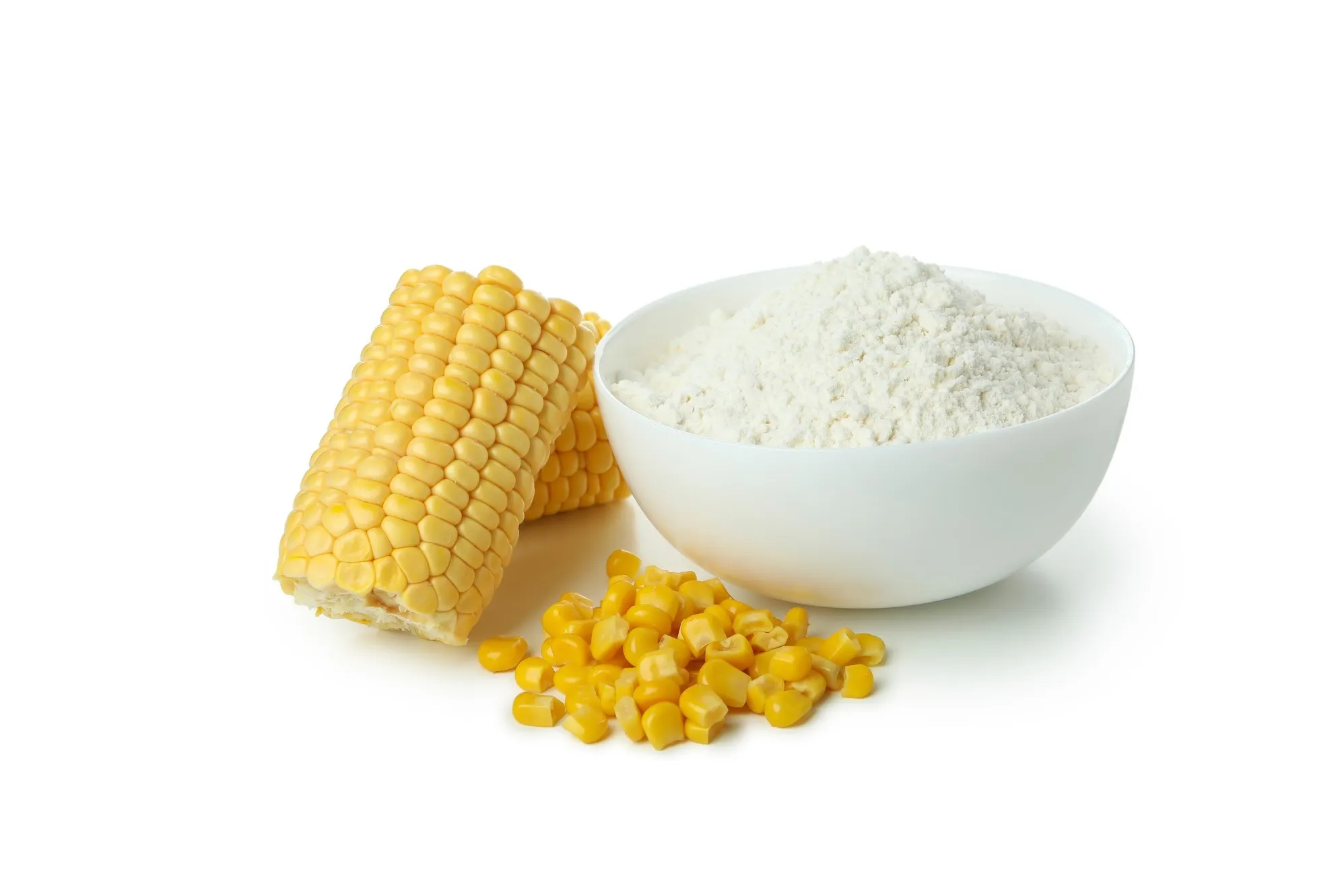
A sauce that remains too thin, a filling that develops lumps, or an inconsistent gravy can disrupt an otherwise well-planned recipe. Corn Flour is frequently used in commercial food preparation where controlled thickening is required, but results depend heavily on technique.
For restaurants, bakeries, cafés, and cloud kitchens in Porur, Chennai, Tamil Nadu, understanding common handling mistakes can improve consistency across repeated batches.
Adding Corn Flour Directly to Hot Liquid
This is one of the easiest ways to create lumps.
When dry corn flour is introduced directly into a hot preparation, the outer portion can hydrate rapidly while dry material remains trapped inside.
A common preparation approach is to first disperse the required quantity in an appropriate cool liquid according to the recipe, creating a smooth slurry before introducing it gradually to the main preparation.
Using an Unmeasured Quantity
Adding corn flour by eye makes consistency difficult.
One chef may produce a thick sauce while another creates a much thinner batch using the same recipe concept.
For commercial kitchens, quantities should be measured and documented.
A standard recipe might specify the amount required for a defined volume of liquid. If batch size increases, quantities can then be scaled systematically.
Expecting Instant Final Texture
Thickening behaviour can change as the preparation is heated and subsequently cools.
Kitchen staff should understand the target texture at the correct stage of preparation rather than repeatedly adding more thickener too early.
Adding excessive quantities can result in an unpleasantly heavy or pasty consistency.
Ignoring the Rest of the Recipe
Corn flour does not behave in isolation.
The overall formulation, liquid quantity, cooking process, temperature, and other ingredients can influence the final result.
When troubleshooting, consider the complete recipe rather than assuming every consistency issue can be corrected by increasing the thickener.
Using One Thickness for Every Dish
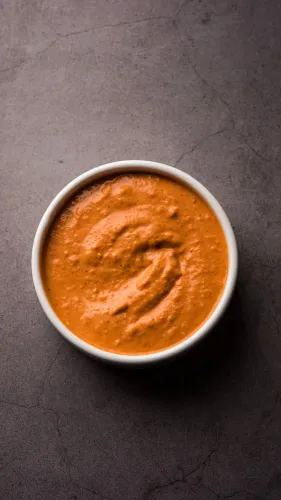
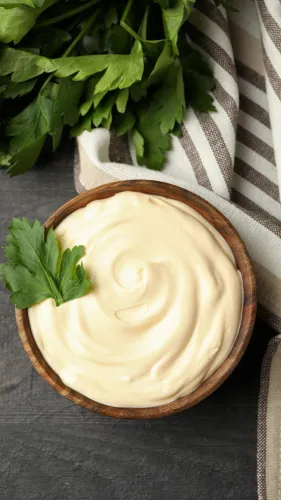
A soup, dipping sauce, gravy, dessert filling, and stir-fry sauce do not need the same viscosity.
Define the intended eating experience.
For a dipping application, the sauce may need to cling to the food. For another dish, a lighter consistency may be preferable. Bakery fillings may have completely different structural requirements.
Poor Dry Storage
Dry ingredients should be kept according to manufacturer instructions and protected from moisture, contamination, and unsuitable storage conditions.
This is especially relevant in Chennai, where humidity can make organised dry storage important for food businesses.
Clear labelling and sensible stock rotation can also reduce confusion in busy kitchens.
Scaling Recipes Without Testing
A recipe that performs well at two litres does not always behave identically when multiplied substantially for production.
Large batches can heat differently and may require changes in process control.
When scaling up, test intermediate quantities and record the results.
Create a Repeatable Kitchen Standard
Businesses can reduce inconsistency by documenting
- Batch quantity
- Corn flour quantity
- Slurry preparation method
- Addition stage
- Heating procedure
- Target finished consistency
These details make recipes easier to train and reproduce.
Venmart supplies food ingredients and baking essentials for professional food businesses across Chennai. Restaurants and cloud kitchens around Porur can evaluate corn flour according to their recipe volumes, pack-size requirements, and expected usage.
The ingredient itself is straightforward, but commercial consistency comes from controlled technique. Accurate measurement, proper dispersion, suitable heating, and a clearly defined target texture can prevent many of the problems kitchens encounter when thickening sauces, gravies, fillings, and other preparations.
Keywords