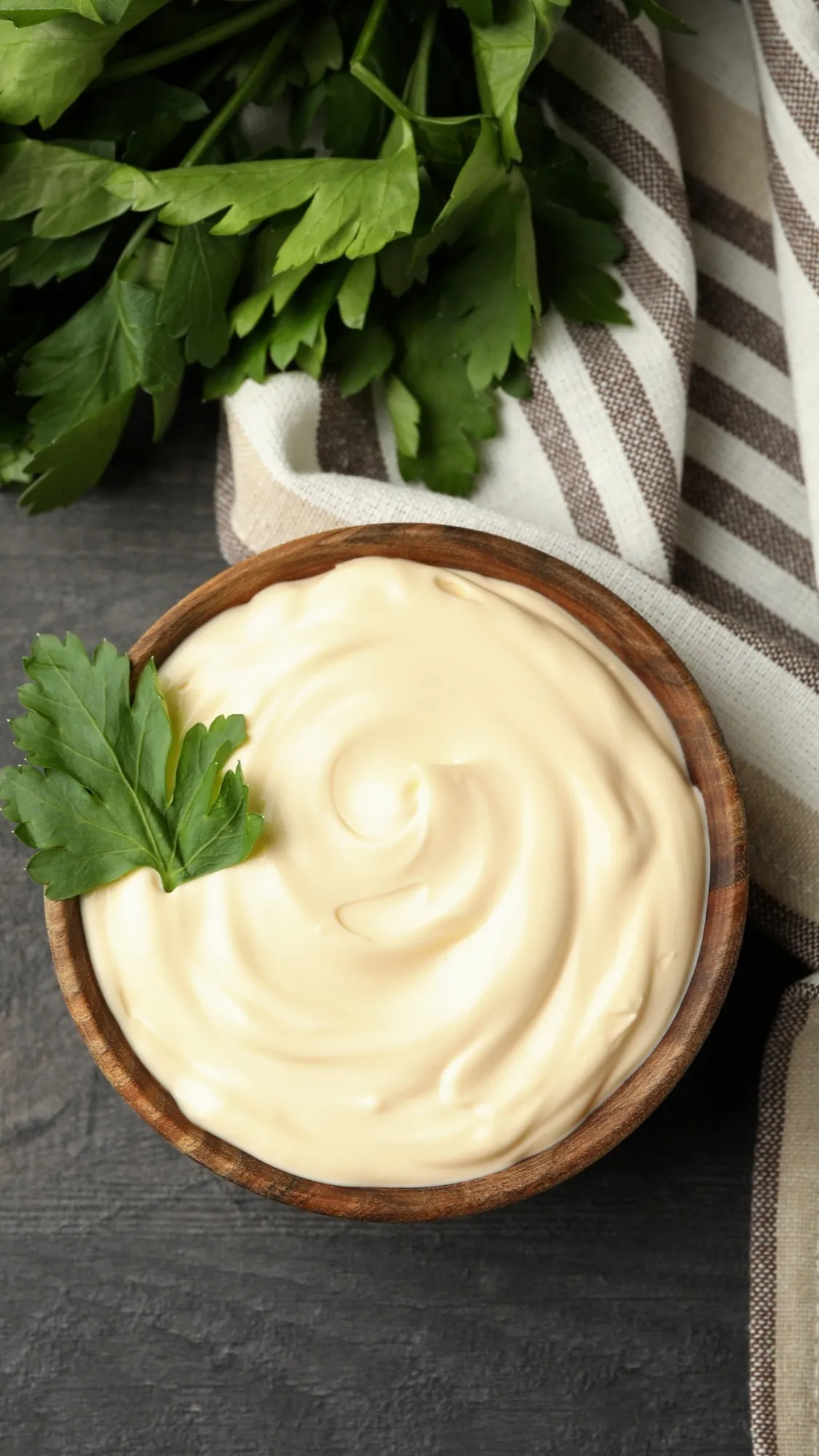
For a restaurant serving hundreds of sandwiches, burgers, wraps, or starters, Mayonnaise is not a minor purchase. Its flavour, consistency, portion cost, packaging, and reliability can influence multiple items across the menu.
Food businesses in Purasaiwalkam, Chennai, Tamil Nadu can make better purchasing decisions by evaluating mayonnaise as a commercial ingredient rather than selecting it purely by brand familiarity or pack price.
Begin With Your Menu
List every item where mayonnaise will be used.
It may function as
- A burger spread
- A sandwich ingredient
- A wrap base
- A dip
- A component in another sauce
- A salad ingredient
- A base for customised flavours
Once applications are clear, it becomes easier to identify the required taste and texture.
Evaluate Taste With the Complete Dish
Mayonnaise should not be assessed only by tasting a spoonful directly.
Test it in your actual burger, sandwich, wrap, or dip recipe.
Bread, cheese, seasoning, vegetables, protein, and other sauces can significantly alter how the flavour is perceived.
A product that tastes strong on its own may become balanced within a complete dish.
Consistency Matters During Service
Commercial kitchens need a product that is convenient to portion and spread according to the intended application.
If the consistency is unsuitable, staff may use excessive quantities or struggle to achieve uniform coverage.
This can affect presentation, customer experience, and cost control.
Calculate Cost Per Portion
Suppose a pack appears inexpensive compared with another option. That does not automatically mean it reduces menu cost.
Measure the standard amount used in one serving.
If each burger uses 20 grams, determine the ingredient cost of those 20 grams. Multiply it by average daily sales to understand the financial impact.
This approach is far more useful than comparing only pack prices.
Choose Packaging According to Consumption
Bulk packs can make sense for high-volume kitchens, but only when the product is consumed appropriately and stored according to its instructions.
A smaller operation may benefit from pack sizes that align more closely with normal usage.
The objective is not simply to buy the largest pack available. It is to balance purchase cost, stock movement, handling, and operational convenience.
Standardise Portions
Uncontrolled portioning is a common source of food-cost variation.
A defined serving quantity helps businesses maintain the same flavour profile regardless of which employee prepares the dish.
Depending on the kitchen setup, portion control may involve calibrated pumps, squeeze bottles, weighing during recipe development, or other appropriate methods.
Review Storage and Handling
Always follow the product manufacturer's storage and handling directions, including requirements after opening.
Commercial food businesses should also integrate the ingredient into their normal hygiene, stock rotation, and food-safety procedures.
Conduct a Side-by-Side Kitchen Trial
Before changing products, prepare identical menu items using each shortlisted mayonnaise.
Compare
- Flavour
- Mouthfeel
- Spreadability
- Portion requirement
- Finished appearance
- Cost per serving
- Operational convenience
Venmart supplies food ingredients, bakery essentials, sauces, and related products to commercial customers in Chennai. Restaurant and cloud-kitchen operators around Purasaiwalkam can discuss requirements according to their menu and expected consumption.
The best mayonnaise for a commercial kitchen is ultimately the one that fits the recipe and operation. Testing real menu applications, calculating portion cost, and checking practical handling requirements can turn a routine purchasing decision into a useful opportunity for better consistency and cost control.
Keywords