Whipping cream plays a major role in the appearance, texture, stability, and overall eating experience of many bakery products. From birthday cakes and pastries to mousses and chilled desserts, the choice of Whipping Cream can influence both presentation and production efficiency.
For bakery owners, home bakers, pastry chefs, and café operators across Adyar, Chennai, Tamil Nadu, understanding how whipping cream behaves is more useful than selecting a product based only on price.
What Makes Whipping Cream Suitable for Baking?
A good whipping cream should develop sufficient volume when whipped while maintaining a smooth texture. It should also remain manageable during piping, layering, and finishing.
Depending on the application, bakers commonly look for
- Good whipping volume
- Stable peaks
- Smooth consistency
- Easy piping
- Balanced sweetness
- Suitable holding stability
- Compatibility with flavours and colours
- Reliable performance under refrigeration
The ideal characteristics can vary according to whether the cream is being used for cake decoration, filling, beverages, mousse, or plated desserts.
Dairy and Non-Dairy Options Have Different Uses
Whipping creams are available in different formulations. Dairy-based products may appeal to businesses looking for a particular richness and flavour profile, while non-dairy options are often selected for convenience, consistency, or specific commercial applications.
Rather than assuming one category is universally better, consider the finished product.
A premium plated dessert may have different requirements from a high-volume celebration cake operation. Similarly, a café producing desserts in smaller batches may prioritise different characteristics from a bakery preparing dozens of cakes each day.
Temperature Management Matters
Even a suitable whipping cream can perform poorly when handling conditions are incorrect.
Cream generally needs appropriate chilling before whipping. Bowls, beaters, working conditions, and storage practices can also affect the final result. Excessive heat may reduce stability, particularly during extended decorating sessions.
For Chennai bakeries, where warm and humid conditions are common for much of the year, temperature-controlled storage and disciplined handling become especially important.
Avoid Overwhipping
More whipping does not always create a better result.
Once the cream reaches the required consistency, continued whipping can make its texture grainy or difficult to spread. Bakers should learn to identify the correct stage for the intended application.
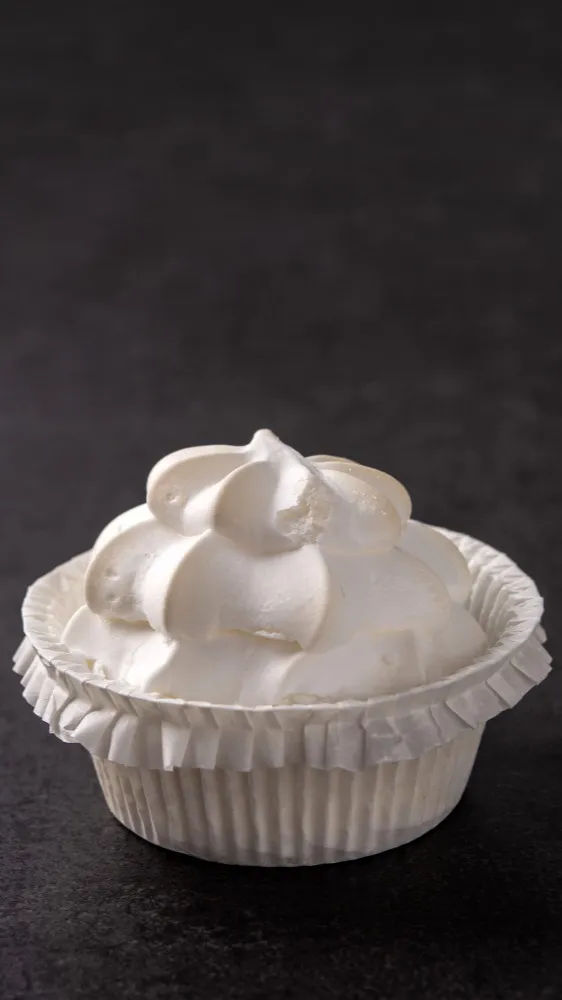
Soft peaks may suit certain fillings and desserts, while firmer peaks can be useful for piping and cake decoration.
Match the Cream to Your Production Routine
Before selecting a product, consider how it will actually be used.
A bakery may need cream that can support intricate piping. A cloud kitchen may prioritise consistency after delivery. A café may need a product suitable for both desserts and beverages.
Ask practical questions such as
- How quickly does it whip?
- What volume does it produce?
- How well does it hold after decoration?
- What storage conditions are required?
- Does the flavour complement the finished dessert?
- Is the pack size practical for normal consumption?
These questions provide a better basis for purchasing decisions than simply comparing pack prices.
Calculate Usable Yield
Commercial buyers should consider the amount of finished whipped product obtained from each pack. A lower-priced cream may not necessarily deliver better value if its usable yield or performance does not match production requirements.
Testing a product in actual recipes can therefore be worthwhile before standardising it across the menu.
Venmart supplies bakery and food ingredients for professional and home baking requirements in Chennai. Buyers in Adyar can evaluate whipping cream according to their recipe, batch size, storage setup, and expected finish.
Choosing whipping cream is ultimately about consistency. When the product suits the recipe and is handled correctly, bakers can achieve cleaner finishes, predictable texture, and more dependable results across repeated batches.
Keywords